Welcome to Good News Daily. Today is Fri Jan 02 2026



“Young people are capable of contributing to the economy by working, starting businesses and leading organisations, yet far too many do not have access to the opportunities they need to reach their full potential,” said Onyi Nwaneri, head of marketing at education NGO Afrika Tikkun.
“Education is a precondition for access to opportunities, and plays a key role in building sustainable and resilient societies.”
Onyi Nwaneri – marketing executive, Afrika Tikkun
Since Afrika Tikkun’s establishment in 1994, the organisation has brought meaningful change to tens of thousands of young South Africans and their families – 28,000 children have accessed early childhood education; 62,500 school-going children have accessed support to improve academic, leadership and career outcomes; 10,000 post-matrics have been upskilled and supported to transition into economic opportunities; and 75,000 families have been supported to provide a stable environment for their child’s development.
“One child, one teacher, one book, and one pen can change the world.”
— UST Volunteers for UNICEF (@ustunicef) January 23, 2020
– Malala Yousafzai
As we celebrate this year’s International Education Day, we must keep in mind that every child should have the opportunity to receive quality education.
(1/4) pic.twitter.com/6g0al7tENY
The need for an “official day” for education came about as United Nations statistics revealed that, of about two billion children worldwide, 262 million did not attend school and 617 million could not read or do basic maths.
The UN declared January 24 International Day of Education in December 2018, and it was first celebrated in 2019.
Education is a human right with immense power to transform. On its foundation rest the cornerstones of freedom, democracy, and sustainable human development.
— educategirlsglobally (@educategirlsegg) January 24, 2020
Happy International Education Day #EducateGirlsGlobally #InternationalEducationDay #InternationalDayofEducation pic.twitter.com/VUNy7NndxQ
In South Africa the latest Quarterly Labour Force Survey by Statistics SA show there were about 20.4 million young people aged 15-34 in the third quarter of 2019. Of these, a sobering 40% were not in employment, education or training.
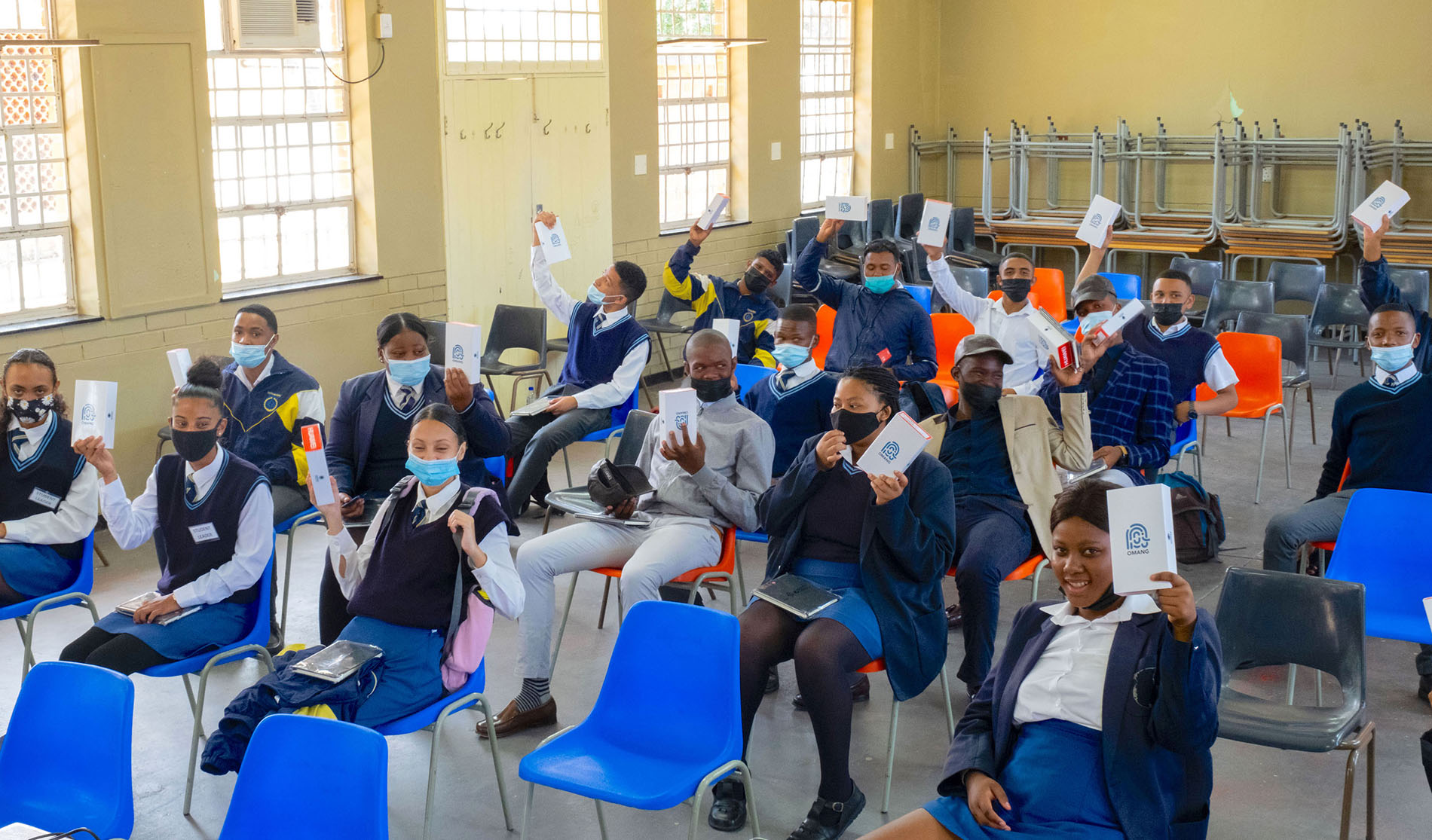
The main reasons are poor access to education, exorbitant school fees, large classes and a lack of educational tools, books and facilities. The quality of our curriculums is also below par and properly qualified teachers are lacking.
Afrika Tikkun believes SA needs a future-proof curriculum that addresses the increasingly technology-driven economy.
It also says we need to encourage an interest in STEM (Science, Technology, Engineering, Mathematics) subjects and digital literacy, and teach in a way that encourages a joy for learning and discovery.