Welcome to Good News Daily. Today is Sat Dec 20 2025



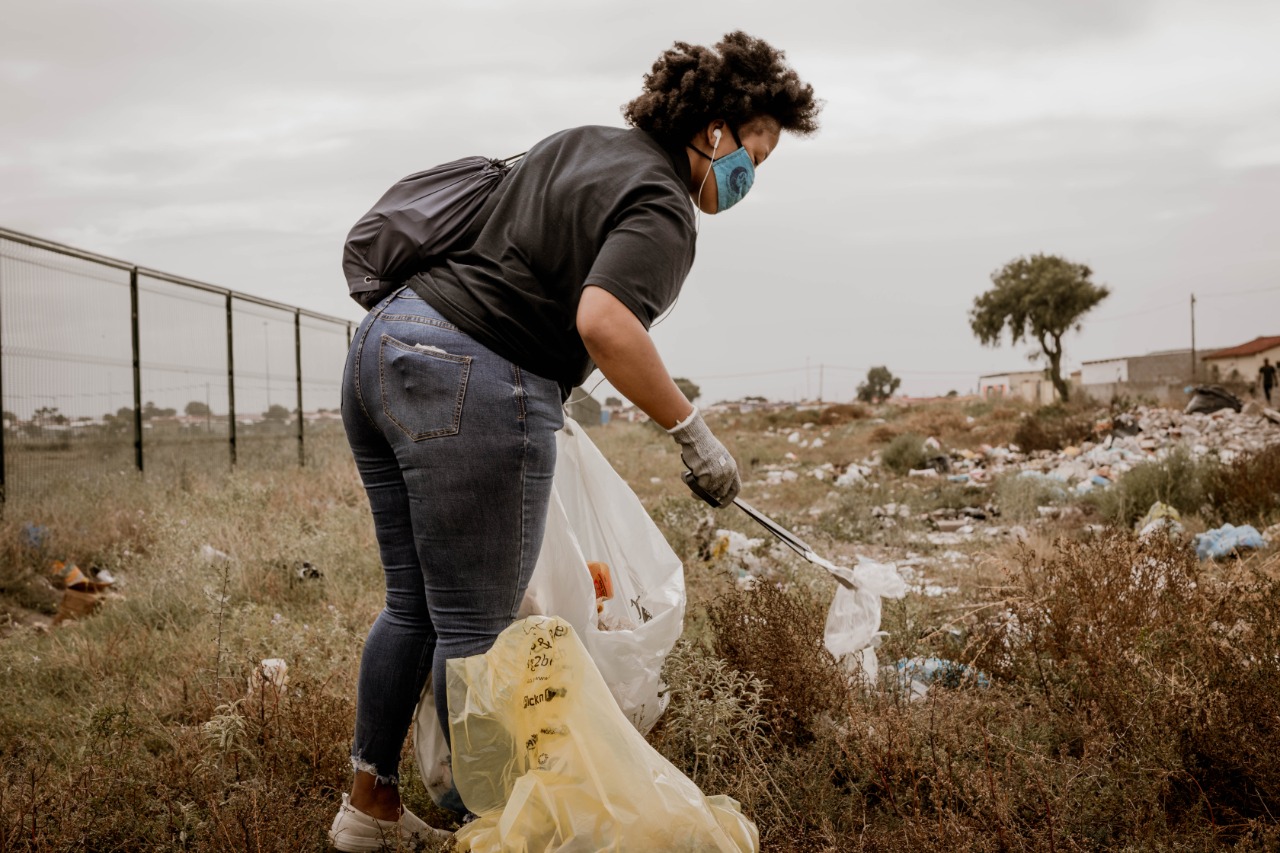
Small, daily actions can have a significant impact on South Africa’s waste management and littering challenges – not just during Clean-Up & Recycle Week, but beyond.
This is the message from Petco, South Africa’s longest-standing producer responsibility body, which works to keep valuable recyclable post-consumer packaging out of landfills and within the circular economy at its highest value.
The annual national campaign, spearheaded by Plastics SA and supported by the Department of Forestry, Fisheries and the Environment, takes place from September 15 to 20. It includes National River Clean-Up Day on 17 September, National Recycling Day on 19 September, and culminates with both International Coastal Clean-Up Day and World Clean-Up Day on 20 September.
According to Petco, while these headline events provide visible opportunities for consumers to get involved, the real difference happens in households, schools, workplaces and communities throughout the year.
“Clean-Up & Recycle Week is a chance for all of us to turn good intentions into lifelong habits,” said Petco CEO Telly Chauke. “Recycling starts with the choices we make in shops, at home, at work and in our communities. If we regularly separate recyclables at source, we not only reduce what goes to landfill, but we also support the waste pickers and small collection businesses whose livelihoods depend on collecting and trading these materials.”
Separation at source, said Chauke, involved separating out one’s recyclables at the point or place at which they become waste, to prevent them from ending up in the general waste stream destined for landfill.
Tips for doing so, she said, included keeping organic waste out of recycling bins, and removing shrink sleeves from used PET bottles before putting them in the recycling bin.
People can also make a significant impact when purchasing products, said Chauke, adding: “Consumers should try to avoid buying PET bottles that are heavily or darkly pigmented, like black or opaque PET bottles, as these are far more difficult to recycle than clear or light blue PET bottles.”
Additionally, she said, packaging labelled “compostable” or “biodegradable” – usually with a number seven in the recycling triangle – was not recyclable.
“These types of packaging are often collected together with recyclable packaging by mistake. So, keeping these items out of recycling bins means that established recycling streams will remain uncontaminated.”
Chauke said consumers could get involved in Clean-Up & Recycle Week – and beyond – by taking practical actions at home, at work, at school, or at their tertiary education institutions.
“Beyond the act of separating at source, consumers can help keep valuable materials in circulation by dropping off recyclables at local buy-back centres, handing them directly to waste pickers, or subscribing to small kerbside collection businesses,” said Chauke, adding that these actions didn’t just divert waste from landfills, but also created income opportunities and strengthened the recycling economy.
“Every PET bottle or liquid board carton collected, sorted from general waste and recycled contributes to a stronger circular economy for South Africa,” Chauke said.
Anyone wishing to kickstart their recycling journey can find helpful tips on the Petco website at this link: https://petco.co.za/consumers/how-to-collect-sort-and-recycle/